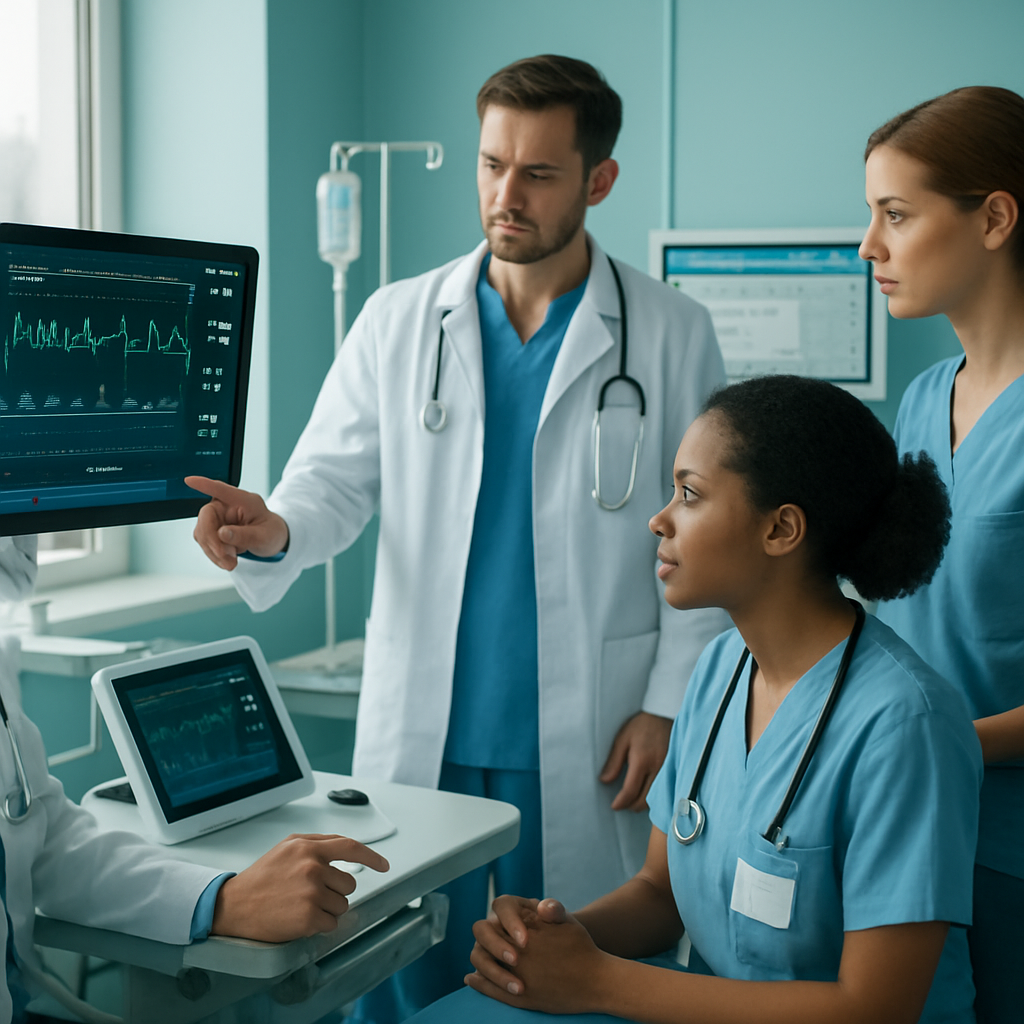
Medical Device Safety Guidelines
Safe use of medical devices is essential to maintaining equipment performance and protecting patients, healthcare professionals, and users from potential risks.
Proper medical device safety depends on following the manufacturer's instructions, providing appropriate user training, performing regular maintenance, and applying suitable cleaning, disinfection, and sterilization procedures for reusable medical equipment.
Safe Medical Device Usage Guidelines
1. Understand How the Device Works
Before operating any medical device, carefully read and understand the manufacturer's user manual, operating instructions, warnings, and safety precautions.
Medical devices should not be operated by individuals who have not received the appropriate training or authorization.
2. Keep the User Manual Available
The device manual should be kept near the equipment or in an easily accessible location so that users can refer to it whenever necessary, especially when an alarm, warning, or technical issue occurs.
3. Respond Correctly to Alarms
Many modern medical devices are equipped with visual and audible alarm systems that alert users to specific changes, errors, or potentially unsafe conditions.
Users should understand the meaning of the device's alarm signals and respond according to the manufacturer's instructions and the healthcare facility's approved procedures.
4. Prepare for Emergencies
Healthcare facilities should have clear procedures for dealing with emergencies, power failures, or malfunctions involving critical medical equipment.
Depending on the type of device and its clinical application, backup power supplies, alternative equipment, or other emergency resources may be required.
5. Keep Technical Support Contacts Available
It is recommended to keep the contact information of the manufacturer, supplier, maintenance department, or technical support team near the equipment.
Quick access to technical support can help ensure an appropriate response when a technical problem or malfunction occurs.
6. Train All Users
Everyone responsible for operating a medical device should receive appropriate training on its correct use, including safety procedures, cleaning requirements, alarm management, and the correct response to equipment malfunctions.
For certain medical devices used at home, family members or caregivers should also receive appropriate instructions from the healthcare professional and follow the manufacturer's guidelines.
Regular Medical Device Maintenance
Preventive maintenance is an essential part of medical equipment safety. It helps maintain equipment performance and reduces the risk of unexpected failures.
Depending on the type of device, preventive maintenance may include:
- Regular inspection of components.
- Functional testing.
- Calibration when required.
- Inspection of cables and connections.
- Replacement of consumable or worn components according to the manufacturer's recommendations.
- Documentation of maintenance and repair activities.
Maintenance and calibration should be performed by qualified technicians in accordance with the manufacturer's requirements and applicable regulations.
Cleaning and Sterilization of Reusable Medical Devices
Reusable medical devices and instruments require appropriate cleaning, disinfection, and sterilization procedures, depending on their intended use, design, and level of infection risk.
Examples include certain surgical instruments, endoscopes, and other reusable medical equipment that require reprocessing after use.
Main Steps in Medical Device Reprocessing
The exact reprocessing procedure varies depending on the device and the manufacturer's instructions. In general, it may include the following stages:
1. Cleaning
Removal of blood, tissue, organic material, and other residues from the surface and components of the device.
2. Disinfection
Applying an appropriate method or disinfectant to reduce or eliminate microorganisms according to the required level of disinfection.
3. Inspection
Checking the device to ensure that it is clean and that its components are intact and free from damage that could affect safe operation.
4. Packaging
When required, instruments should be packaged appropriately before sterilization to maintain their sterility and protect them from contamination.
5. Sterilization
The appropriate sterilization method should be selected according to the type of device, its materials, and the manufacturer's instructions.
«Important: A single cleaning or sterilization method cannot be applied to every medical device. Always follow the specific reprocessing instructions provided by the manufacturer.»
Safe Storage and Transportation of Sterile Medical Equipment
After sterilization, medical instruments should be stored in a clean, dry, and suitable environment. Sterile packaging should be protected from damage, moisture, dust, and contamination.
Clean or sterile equipment should also be kept separate from used or contaminated instruments during transportation and storage to reduce the risk of cross-contamination.
The Importance of Preventive Inspection and Calibration
Regular preventive inspections can help identify technical problems before they lead to equipment failure or negatively affect performance.
Calibration is also important for medical devices that provide precise measurements. It helps verify that the device's readings and performance remain within the limits specified by the manufacturer or applicable standards.
Conclusion
Safe medical device operation depends not only on the quality of the equipment but also on proper user training, compliance with operating instructions, preventive maintenance, inspection and calibration, and appropriate cleaning and sterilization procedures.
Following these practices helps maintain equipment efficiency, reduce the risk of malfunction and contamination, and enhance the safety of patients and healthcare professionals.
Thalgeh Medical Equipment & Aesthetics provides medical equipment solutions, user training, technical support, maintenance, warranty, and after-sales services to help healthcare facilities operate their medical equipment efficiently and safely.